Album Of The Day: Jesus Commands Us To Go! by Keith Green
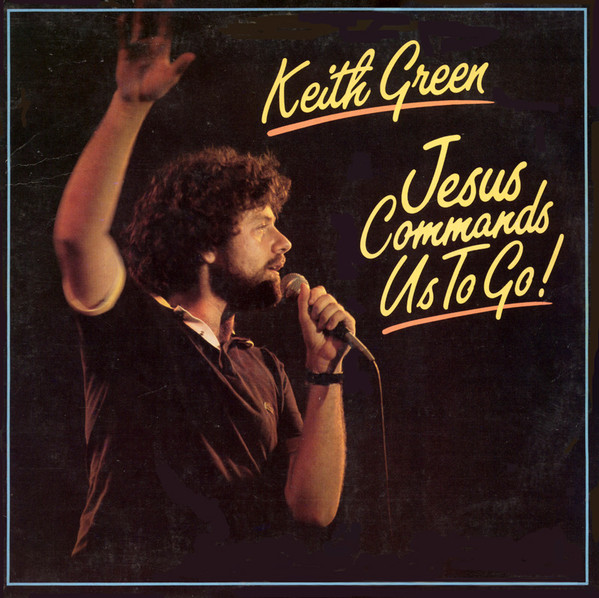
Released 42 years ago today, this is the third and final album released after Keith Green's death in a plane crash a few years earlier. Keith was a talented piano player and songwriter and had a few modestly successful hits in the '60s before becoming a Christian and, from then on, making very ministry-focused music for nearly a decade. Many of his albums he gave away for free to anyone who wanted one and took donations for his livelihood, and his concerts were often free. His style is a very '70s piano-based rock—something like Elton John or Billy Joel. Most well-known here is the closer, a cover of the traditional song "Create In Me A Clean Heart", and preceded by it is a four-minute instrumental track that leads well into it. A number of other songs retell Bible stories, and a few like the title track feature Green's controversial political and social views. All the recordings of Keith Green here were made in the years before his death, with the album put together by his wife Melody and friends, and it's all well-done studio tracks, or at least it sounds like it to me. Keith Green was a pioneer in the scene of "Jesus Music", rock music made in the '70s to spread the good news of Christianity, and this album shows his brilliance and challenges both Christians and non-Christians with his passionate singing about God.
Release Year: 1984
Listen on Apple Music
Listen on Spotify
Add new comment